Jaguar Land Rover’s (JLR) director of finance transformation has said that its vehicles are now “technology platforms”, not just traditional cars.
At the Appian Europe 2024 conference on Tuesday, Ming Lee told delegates that JLR is heavily investing in electrification and automation with a goal of zero tailpipe emissions by 2039 as part of its wider transformation plan.
Lee explained the firm is investing in developing different vehicle architectures or “technology platforms” to create a business that meets customer needs and builds desirability over the next 15 years.
As part of the move, he said that the car manufacturer is aiming to position itself as a creator of exclusive luxury brands.
Lee explained the firm is not aiming to be a volume, mass-manufacturer or a cost leader, instead it is focusing on improving well-known brands within the firm including Range Rover, Defender, Discovery and Jaguar.
“The transformation is requiring substantial investment, and it’s not just about electrification, JLR is also creating automated vehicles that can operate without driver assistance,” he said. “The vehicles that we are producing are now technology platforms, not just traditional vehicles.”
The comments come after Jaguar faced controversy over a rebranding of the luxury sports car in November.
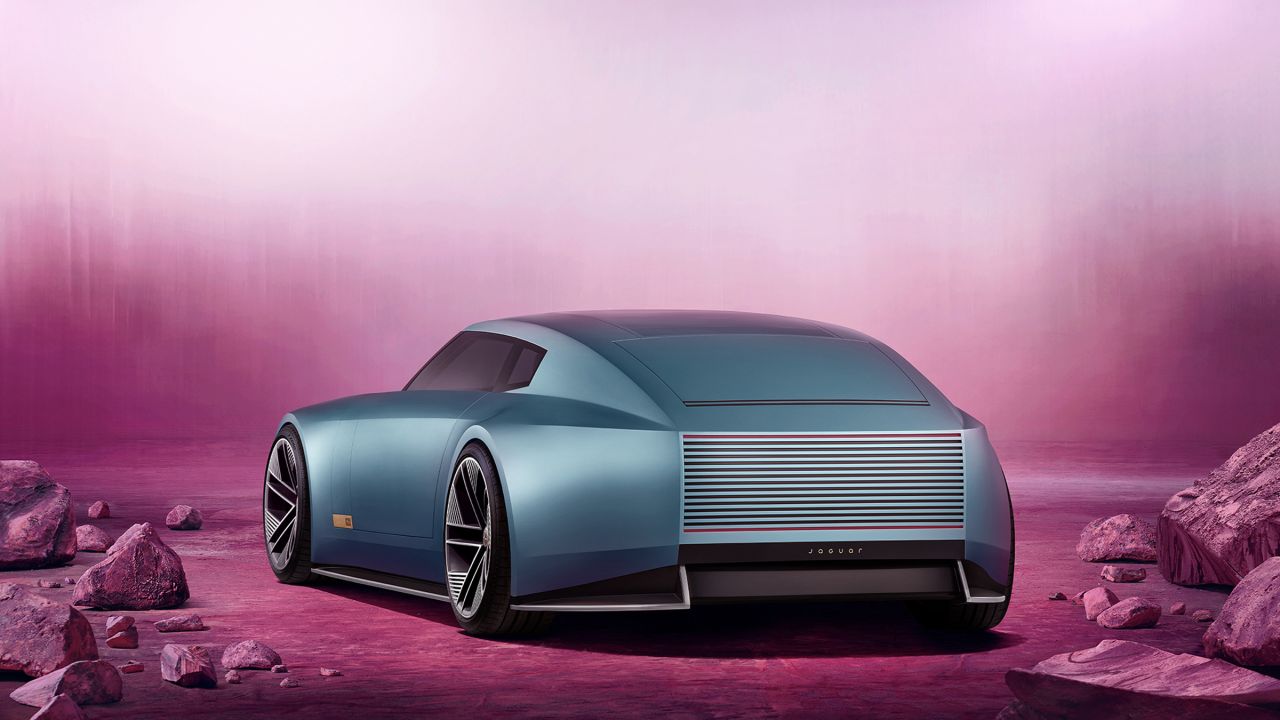
On Monday, the firm launched its type 00 luxury electric concept vehicle at Miami Art Week.
“The vehicle is an all-electric vehicle and the first of its kind in the new lineage of vehicles that JLR is developing,” Lee said, adding that the move aligns with the Paris Flight Treaty requirement, which requires all vehicles to have zero tailpipe emissions by 2039.
According to Lee, JLR’s vehicles will aim to provide customers with what they expect in the digital age, moving from A to B, staying connected, and “always receiving the services that they need to run their busy lives.”
With JLR having an eight-year product cycle, the firm is planning to transition its entire vehicle lineup to zero emission within the next two product cycles to meet the 2039 deadline, Lee said.
The finance head highlighted how the entire transformation plan requires significant investment and involves improving different areas of the business.
“Accordingly, we must grow the top line of our business, the brand ability to create passion for the business, as well as making our value creation system more efficient and more effective through better processes, we also need to pay that debt that's accumulated during the COVID years,” he said.
The firm recently partnered with Appian to improve the firm’s operational efficiency, with a particular focus on strengthening the capabilities of the finance team, which Lee said would play a “major role” in JLR’s transformation.
Admitting that the overall transformation strategy is an ambitious plan, Lee said: “Some people love it, some people hate it, but we see that we have no choice. The world is changing to a point where no change equals no future for us. We must embrace the digital age to make the right decisions at the right time.”


Latest News
-
Microsoft cuts 9,000 jobs as gaming division faces major restructuring
-
UK government launches innovator passport to speed up tech for NHS
-
Tesla drop in deliveries for second quarter in a row
-
Tech secretary announces new tools to help FinTechs navigate complex regulation
-
Qantas cyberattack impacts data of 6 million customers
-
Sports Emotion rolls out AI-driven platform to boost operations





Bringing Teams to the table – Adding value by integrating Microsoft Teams with business applications
A decade ago, the idea of digital collaboration started and ended with sending documents over email. Some organisations would have portals for sharing content or simplistic IM apps, but the ways that we communicated online were still largely primitive.
Automating CX: How are businesses using AI to meet customer expectations?
Virtual agents are set to supplant the traditional chatbot and their use cases are evolving at pace, with many organisations deploying new AI technologies to meet rising customer demand for self-service and real-time interactions.




© 2019 Perspective Publishing Privacy & Cookies
Recent Stories